Are you looking for a fun way to encourage your child to read more during summer break?
When school ends and the long days of summer begin, many children naturally spend less time reading and more time on screens. While summer is a wonderful time for relaxation and adventure, it’s also important to keep young minds engaged. That’s where a Free Printable Summer Reading Log for Kids can make a big difference.
Reading logs provide a simple and motivating way for children to track their reading progress while building positive reading habits. Whether your child is just learning to read independently or already devours chapter books, a reading log can turn reading into an exciting challenge. Kids love coloring progress trackers, recording completed books, earning rewards, and watching their accomplishments grow throughout the summer.
Parents, teachers, librarians, and homeschool families have used reading logs for years because they encourage consistency, accountability, and a love of books. Best of all, they help prevent the “summer slide” by keeping literacy skills active between school years.
In this guide, you’ll discover how to use a Summer Reading Log, why they work so well, and how your family can make reading one of the highlights of summer vacation.

Why Summer Reading Matters
During the school year, children spend hours reading in classrooms and completing literacy activities. Over summer break, those opportunities can decrease significantly.
Regular summer reading helps children:
- Maintain reading skills
- Improve vocabulary
- Strengthen comprehension
- Build confidence
- Develop imagination
- Expand knowledge
- Foster a lifelong love of books
Research consistently shows that children who read during summer break often return to school better prepared for academic success.
What Is a Summer Reading Log?
A reading log is a printable worksheet that allows children to record information about the books they read.
Common sections include:
- Book title
- Author
- Date completed
- Number of pages
- Reading time
- Star rating
- Favorite character
- Favorite part of the story
Many reading logs also include reading challenges, coloring trackers, and reward charts.
Benefits of Using a Reading Log
Encourages Consistent Reading
Children are more likely to read regularly when they have a visual way to track progress.
Creates Goals
Reading logs help kids set and achieve reading milestones.
Builds Responsibility
Recording completed books teaches accountability and organization.
Increases Motivation
Many children enjoy watching their reading accomplishments grow.
Creates Reading Memories
Completed logs become wonderful keepsakes that show a child’s reading journey.
Different Types of Summer Reading Logs
Not every child enjoys the same format, so offering variety can help maintain interest.
Simple Book Tracker
Children record:
- Title
- Author
- Date finished
Perfect for younger readers.
Reading Minutes Log
Tracks the number of minutes spent reading each day.
Ideal for school reading programs.
Book Review Log
Children write short reviews after finishing books.
Great for older elementary students.
Reading Challenge Log
Includes goals such as:
- Read under a tree
- Read a mystery book
- Read a nonfiction book
- Read with a friend
Adds excitement and variety.
Coloring Reading Tracker
Children color books, stars, or sections as they complete reading goals.
Popular with younger children.
Making Reading Fun During Summer
Reading should feel enjoyable rather than like homework.
Try these ideas:
Create a Reading Nook
Design a cozy reading space with:
Visit the Library
Many libraries offer summer reading programs and prizes.
Read Outdoors
Take books to:
- Parks
- Beaches
- Backyards
- Campsites
Let Kids Choose Their Books
Children are more motivated when they select reading material that interests them.
Celebrate Reading Achievements
Offer simple rewards for reaching goals.
Summer Reading Challenges for Kids
Challenge ideas include:
- Read 20 books
- Read every day for 30 days
- Read three nonfiction books
- Read a book set in another country
- Read with a family member
- Read outside five times
Challenges help make reading feel like an adventure.
Age-Appropriate Reading Log Ideas
Preschoolers
Parents can track:
- Story time sessions
- Books read together
- Favorite picture books
Kindergarten and Early Readers
Focus on:
- Simple titles
- Sticker rewards
- Coloring trackers
Elementary Students
Include:
- Book reviews
- Reading goals
- Genre challenges
Tweens
Offer:
- Detailed reading journals
- Personal reflections
- Reading recommendations
Best Books for Summer Reading
Children often enjoy:
Picture Books
Perfect for younger readers and family story time.
Chapter Books
Great for independent readers building confidence.
Graphic Novels
Appealing to reluctant readers.
Nonfiction Books
Ideal for children who love learning about specific topics.
Adventure Stories
Perfect for summer excitement and imagination.
Pairing Reading Logs with Educational Activities
Enhance learning with related activities.
Book-Themed Crafts
Create projects inspired by favorite stories.
Reading Journals
Write about favorite characters and events.
Story Maps
Illustrate important parts of the story.
Book Discussion Questions
Encourage deeper comprehension.
Reading Bingo
Combine reading goals with fun challenges.
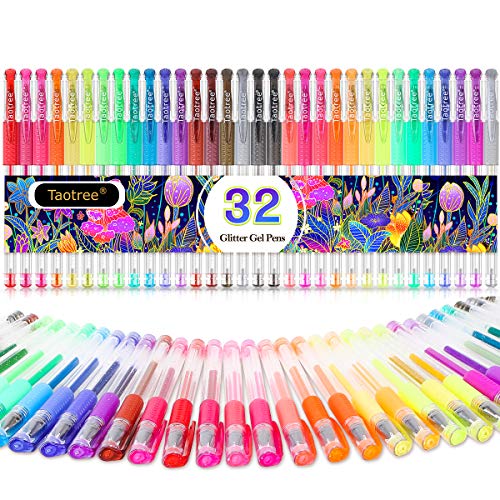
Best Coloring Supplies for School-Themed Printables
A few quality supplies can make coloring even more enjoyable.


Tips for Parents
To encourage successful summer reading:
- Read together daily
- Make reading part of routines
- Keep books visible
- Visit libraries regularly
- Model reading behavior
- Celebrate progress
Small, consistent habits often create the biggest results.
Why Teachers Recommend Summer Reading Logs
Teachers appreciate reading logs because they:
- Support literacy retention
- Encourage accountability
- Track reading habits
- Build confidence
- Help students return to school ready to learn
Many classrooms use reading logs as part of summer learning programs.
Creating Lifelong Readers
The ultimate goal of a summer reading log isn’t simply tracking books—it’s helping children develop a genuine love for reading.
Children who enjoy reading often:
- Perform better academically
- Build stronger vocabularies
- Develop empathy
- Become lifelong learners
A simple reading log can be the first step toward creating a lifelong reading habit.
Final Thoughts
A Free Printable Summer Reading Log for Kids is one of the easiest and most effective ways to encourage reading during summer break.
Whether your child reads one book a week or several books a day, tracking progress can build motivation, confidence, and excitement about reading.
By combining reading goals, fun challenges, and creative tracking pages, summer reading logs help transform reading into an enjoyable adventure rather than a chore. Print your reading log, gather some great books, and make this summer a season filled with stories, imagination, and learning.
Ready to Download More Free Educational Printables?
If your child enjoys reading challenges and learning activities, be sure to explore our growing collection of free printable worksheets, reading trackers, coloring pages, word searches, mazes, activity books, and educational resources. These printables are designed to make learning fun while helping children build important skills throughout the year.
Bookmark this page and visit often for new seasonal printables, classroom resources, homeschool activities, and screen-free learning ideas. Whether you’re preparing for summer reading, back-to-school learning, or rainy-day fun, you’ll find plenty of engaging activities to keep kids excited about learning.
Happy reading!
Frequently Asked Questions
What is a summer reading log?
A summer reading log is a printable worksheet that helps children track books they read during summer break.
What age is a reading log suitable for?
Reading logs can be adapted for preschoolers, elementary students, tweens, and even teens.
How many books should my child read during summer?
The number varies by age and ability. The goal is consistent reading rather than reaching a specific number.
Can teachers use reading logs?
Absolutely. Reading logs are commonly used in classrooms and summer learning programs.
Are reading logs effective?
Yes. They help encourage reading habits, build accountability, and support literacy development.
Other Blogs You May Be Interested In:
Blueberries Dot Marker Counting Activity